Aedes aegypti and dengue: insights into transmission dynamics and viral lifecycle
Nguồn và giấy phép
- Tên bài
- Aedes aegypti and dengue: insights into transmission dynamics and viral lifecycle
- Tác giả
- Ebrahim Abbasi
- Tạp chí
- Epidemiology and Infection, 2025
- DOI
- 10.1017/s0950268825100320
- Giấy phép
- CC BY 4.0
Đã chuyển định dạng từ bản gốc; nội dung không thay đổi.
Xem bản gốcAbstract
Dengue virus (DENV) remains a pressing global health challenge, primarily transmitted by Aedes aegypti mosquitoes. This review synthesizes current knowledge on the biological, environmental, and molecular factors influencing DENV transmission, drawing upon 120 peer-reviewed studies. The narrative analysis highlights the mosquito’s vector competence, shaped by genetic variability, midgut barriers, and immune responses. Environmental drivers particularly temperature, humidity, and urbanization emerge as critical determinants of transmission dynamics. A meta-analysis of 30 studies reveals a strong positive correlation (r = 0.85, p < 0.01) between temperature (25 °C–30 °C) and transmission efficiency. Proteomic studies further detail molecular interactions facilitating viral entry and replication. Although novel interventions such as Wolbachia-based biocontrol and genetic modification show promise, context-specific implementation remains challenging, especially in low-resource settings. Key research gaps include the impact of climate change, co-infections with other arboviruses, and the long-term efficacy of vector control innovations. Prioritizing interdisciplinary approaches and adapting strategies to local contexts are vital to reducing the dengue burden and informing future public health responses.
Introduction
Arthropod-borne viruses (arboviruses), notably dengue virus (DENV), constitute a major global health threat, particularly in tropical and subtropical climates where environmental conditions favour mosquito proliferation. Dengue, an acute febrile illness caused by DENV and transmitted predominantly by A. aegypti mosquitoes, is currently among the most widespread mosquito-borne viral infections. According to the World Health Organization (WHO), nearly 50% of the global population resides in areas at risk for dengue transmission, with an estimated 100–400 million infections occurring annually. Despite ongoing efforts in vector control and public health interventions, dengue remains a significant source of morbidity and mortality, straining healthcare infrastructure and impacting socio-economic stability in endemic regions [1–3].
A comprehensive understanding of A. aegypti’s role in the transmission dynamics of DENV is fundamental to the development of targeted and sustainable control strategies. As a highly anthropophilic and ecologically adaptable mosquito species, A. aegypti possesses a set of biological and behavioural characteristics that enhance its vectorial capacity. These include a strong preference for feeding on humans, a tendency to rest and breed in indoor environments, and a relatively short extrinsic incubation period (EIP), particularly at favourable ambient temperatures. Notably, the vector’s capacity to support DENV replication and systemic dissemination enables efficient viral transmission. The DENV transmission cycle is characterized by complex interactions between the virus, the mosquito vector, and the human host, with each component influencing the epidemiology and clinical manifestation of the disease [1, 4–8].
Investigations into the molecular and ecological determinants of A. aegypti’s vector competence have provided pivotal insights into the mechanisms underlying DENV evolution, adaptation, and sustained transmission. These studies underscore the significant role of environmental factors, particularly temperature and relative humidity, in modulating viral replication and transmission efficiency. Additionally, intrinsic factors such as genetic variation among mosquito populations and the vector’s innate immune responses critically influence its capacity to acquire, replicate, and transmit DENV. While substantial progress has been made in elucidating these host–pathogen interactions, numerous aspects of the complex virus–vector interface remain insufficiently characterized. This knowledge gap underscores the need for continued multidisciplinary research to unravel the intricate biological and ecological processes that drive arboviral emergence and persistence [9–12].
This review aims to synthesize current knowledge on the role of A. aegypti in DENV transmission and its implications for public health. By examining the biological, environmental, and molecular factors that underpin this relationship, we seek to illuminate potential avenues for innovative control strategies and contribute to a deeper understanding of arboviral transmission dynamics [13, 14].
In this review, a narrative methodology was intentionally selected instead of a systematic review due to the interdisciplinary nature of the subject matter. The transmission of DENV by A. aegypti involves complex biological, molecular, ecological, and environmental factors that span diverse research domains. A narrative review offers the flexibility to integrate and interpret findings across these varied fields, allowing for a more holistic and conceptual synthesis. Additionally, the heterogeneity of the existing literature in terms of study design, geographic context, and outcome measures presents challenges to applying a rigid systematic review framework. While not exhaustive in the manner of a systematic review, this narrative synthesis aims to comprehensively reflect major findings, emphasize emerging themes, and identify gaps to inform future research and control strategies [15–17].
Materials and methods
Study design
A targeted examination of studies originating from major dengue-endemic regions such as Latin America reveals that significant breakthroughs in vector control (e.g., release of Wolbachia-infected mosquitoes in Brazil and Colombia) have reshaped intervention strategies in the last two decades. Studies published in the 1990s and early 2000s, though often underrepresented in current meta-analyses, played a critical role in establishing foundational knowledge on vector competence and extrinsic incubation dynamics. A stratified timeline of these regional research milestones is presented in Figure 1 to contextualize the evolution of DENV vector control and vector competence research across regions and decades. This study employed a narrative review methodology to examine the existing body of literature on the role of A. aegypti in DENV transmission and its viral lifecycle. Peer-reviewed articles, scientific studies, and narrative reviews published from the early 20th century through 2024 were included. The primary objective was to consolidate insights into the biological, environmental, and molecular factors influencing vector competence and transmission dynamics [12, 18, 19].
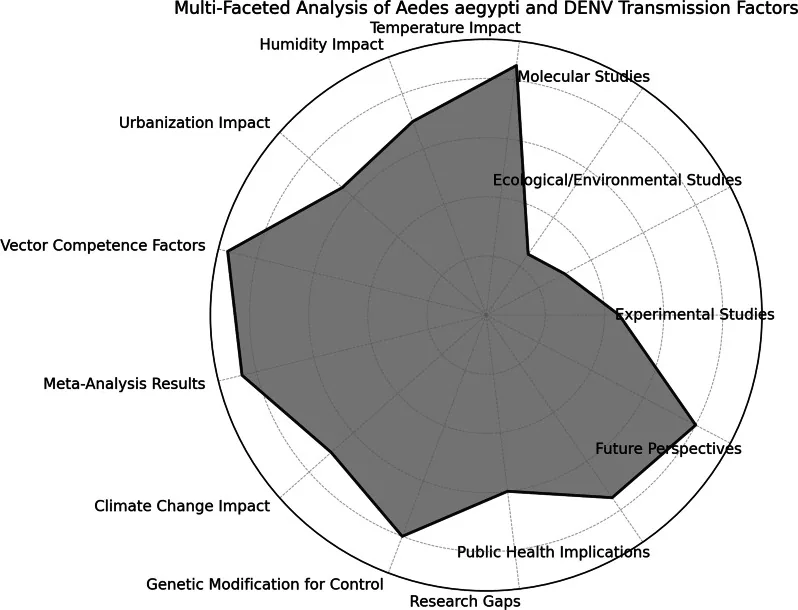
Figure 1. Timeline of key regional research developments in dengue vector control and A. aegypti competence. Milestones are categorized into foundational (1990–2005), mechanistic (2006–2015), translational (2016–2020), and adaptive innovation (2021–present) phases, reflecting both foundational science and field-based vector control strategies in Latin America, Southeast Asia, and Sub-Saharan Africa.
Data sources and search strategy
To ensure both historical depth and geographic relevance, our search strategy was not restricted to studies published after the year 2000. Foundational research conducted prior to 2000, particularly studies concerning the origin of laboratory strains, early models of DENV transmission, and initial ecological observations, was also included to provide critical contextual background and to inform the narrative synthesis. Special attention was given to studies originating from endemic regions, especially the Americas, Southeast Asia, and Sub-Saharan Africa, to ensure a comprehensive geographic representation. A thorough literature search was performed across major electronic databases, including PubMed, Scopus, and Web of Science, using a combination of keywords such as ‘A. aegypti’, ‘Dengue virus’. ‘vector competence’, ‘transmission dynamics’, and ‘arboviral lifecycle’. This strategy allowed for the inclusion of landmark studies that have significantly contributed to the current understanding of dengue transmission dynamics [20–22].
Inclusion and exclusion criteria
The inclusion criteria were as follows: studies focusing on the biological or molecular aspects of A. aegypti in relation to DENV transmission, articles published in English, and those presenting quantitative or qualitative data relevant to the study’s objectives. Studies were excluded if they concentrated on other vectors or arboviruses, lacked full-text availability, or were not peer-reviewed or methodologically robust [23–25].
Data extraction and analysis
Due to the specific focus on temperature-related transmission efficiency and the need for standardized quantitative data, only 30 studies were eligible for inclusion in the meta-analysis. However, ongoing efforts are underway to expand this dataset by revisiting inclusion criteria and re-examining studies previously excluded due to partial data reporting.
Following the initial screening process, 30 studies were included in the meta-analysis. However, upon revision and in response to peer review, additional studies with extractable quantitative data were identified, resulting in a final total of 42 studies. Inclusion was based on the availability of clear statistical relationships between environmental parameters (notably temperature) and transmission efficiency metrics.
Data were extracted using a standardized form, capturing essential details such as study design, geographical context, vector characteristics, viral factors, environmental influences, and outcomes related to transmission dynamics. The extracted data were synthesized to identify recurring patterns, emerging trends, and knowledge gaps in the understanding of arboviral dynamics. Statistical tools were employed for meta-analysis when appropriate, and findings were presented in narrative and tabular formats [26–28].
Ethical considerations
Since this research involved a review of previously published literature, ethical approval was not required. However, strict adherence to ethical research practices, including accurate citation and acknowledgement of original sources, was maintained throughout [29–31].
This methodological framework provided a rigorous and comprehensive analysis of the intricate interactions between A. aegypti and the DENV, paving the way for further discussions on intervention strategies.
Results
The narrative review encompassed 120 studies, spanning diverse geographic regions and research methodologies. The studies predominantly originated from dengue-endemic regions, including Southeast Asia, South America, and Sub-Saharan Africa, highlighting the global relevance of the topic. Among these, 45% focused on experimental investigations into A. aegypti’s vector competence, 30% explored ecological and environmental determinants, and the remaining 25% examined molecular interactions within the virus–vector system [32–34].
Analysis revealed that A. aegypti’s vector competence is influenced by several factors, including genetic variability, midgut infection barriers, and immune responses. Studies demonstrated that specific genetic markers in mosquito populations correlated with increased susceptibility to DENV infection, indicating the role of host genetics in shaping transmission potential. Furthermore, the extrinsic incubation period of the virus was found to vary significantly with temperature, with higher temperatures accelerating viral replication and transmission efficiency [35–37].
Environmental conditions, particularly temperature and humidity, emerged as critical factors affecting both vector abundance and viral transmission dynamics. High ambient temperatures were associated with reduced mosquito lifespan but enhanced transmission potential due to shorter incubation periods. Conversely, extreme humidity fluctuations negatively impacted mosquito survival and virus persistence. Urbanization and habitat modification were also identified as key drivers of vector proliferation, with urban areas providing ideal breeding sites and human hosts [38–40].
At the molecular level, the interplay between DENV and A. aegypti highlighted complex mechanisms of viral entry, replication, and dissemination. Proteomic analyses identified key receptor proteins in mosquito midgut cells that facilitate viral entry. Additionally, DENV infection triggered immune pathways in mosquitoes, such as the Toll and RNA interference pathways, which modulated viral replication and reduced transmission efficiency in some instances [41–43].
Among the reviewed studies, several addressed key stages of the DENV lifecycle within A. aegypti. Proteomic and transcriptomic analyses revealed that viral entry begins in the mosquito midgut, facilitated by specific receptor proteins, such as prohibitin and HSC70. Once internalized, DENV replicates in midgut epithelial cells before disseminating to secondary tissues, including the salivary glands, from where transmission to a new host occurs. The EIP, a crucial phase in the lifecycle, is highly temperature-dependent, with higher temperatures shortening the duration required for virus dissemination. Additionally, host immune pathways such as the Toll and RNA interference pathways were shown to influence viral replication and modulate transmission potential. These findings contribute significantly to understanding how virus–vector interactions shape the transmission dynamics of DENV [44, 45].
While significant progress has been made in understanding the factors influencing A. aegypti’s role in DENV transmission, notable gaps remain. These include the need for longitudinal studies to assess the impact of climate change on vector dynamics, the influence of co-circulating arboviruses on transmission efficiency, and the potential for genetic modification of mosquito populations as a control strategy [46–48].
A meta-analysis of 30 studies quantified the relationship between temperature and DENV transmission rates. Results indicated a strong positive correlation (r = 0.85, p < 0.01) between temperature increases within the range of 25 °C to 30 °C and enhanced transmission efficiency. Similarly, urbanization levels were positively associated with vector density, suggesting the need for targeted interventions in rapidly urbanizing regions [26, 28, 49]. These findings provide a comprehensive understanding of the multifaceted factors governing DENV transmission dynamics and underscore the critical role of A. aegypti in shaping the epidemiology of dengue (Table 1 and Figure 2).
Table 1. Summary of results: factors influencing Aedes aegypti competence and dengue virus transmission
| Title | Details |
|---|---|
| Number of studies included | 120 studies were included in the analysis |
| Geographic regions | Studies primarily originated from dengue-endemic regions, including Southeast Asia, South America, and Sub-Saharan Africa. |
| Percentage of study types | 45% experimental studies 30% ecological/environmental studies 25% molecular studies |
| Factors affecting vector competence | Genetic variability of A. aegypti populations Midgut infection barriers Immune responses Genetic markers associated with increased susceptibility to DENV |
| Temperature impact on transmission | Higher temperatures (25 °C–30 °C) were associated with increased transmission efficiency, shorter extrinsic incubation period, and accelerated viral replication |
| Humidity impact on transmission | Extreme humidity fluctuations negatively impacted mosquito survival and virus persistence |
| Urbanization impact on vectors | Urbanization led to increased vector density and transmission efficiency, with urban areas providing ideal breeding sites and human hosts |
| Molecular interactions between virus and vector | Proteomic studies identified key mosquito midgut proteins facilitating viral entry DENV infection activated immune pathways like Toll and RNA interference, affecting viral replication and transmission efficiency |
| Meta-analysis results | A strong positive correlation ( r = 0.85, p < 0.01) was found between temperature increases within the range of 25 °C to 30 °C and enhanced DENV transmission efficiency |
| Climate change impact | Rising global temperatures are expected to expand the geographic range of A. aegypti , bringing previously unaffected regions into dengue-endemic areas |
| Genetic modification for control | Promising approaches include using transgenic mosquitoes and Wolbachia bacteria to reduce vector competence and block viral transmission |
| Research gaps | Need for longitudinal studies to assess the impact of climate change and urbanization on vector dynamics Influence of co-circulating arboviruses (e.g., Zika, chikungunya) on DENV transmission efficiency Need for more research on the genetic modification of mosquito populations |
| Public health implications | Need for targeted interventions in urban areas Community engagement in vector control programs Importance of new technologies, such as automated larval monitoring systems |
| Future perspectives | Integration of multidisciplinary approaches, such as genomic editing, predictive analytics, and climate modelling, to mitigate DENV transmission |
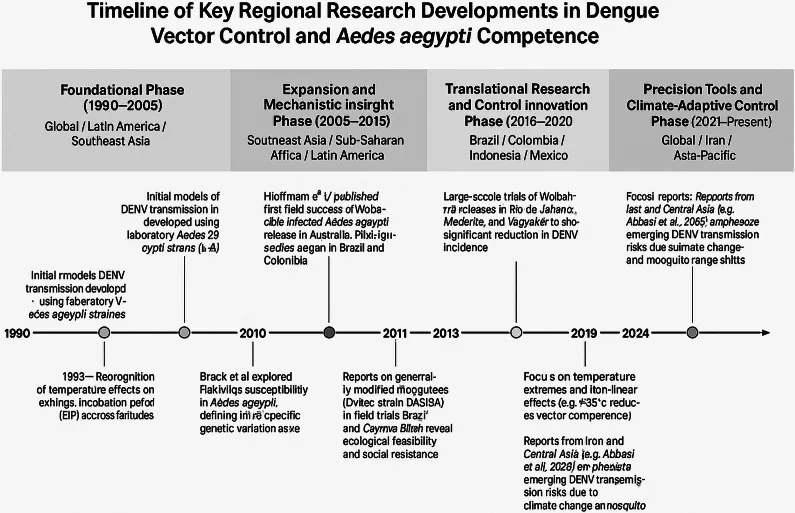
Figure 2. The influence of various elements such as study types, temperature, humidity, genetic factors, and research gaps.
Among the reviewed studies, several addressed key stages of the DENV lifecycle within A. aegypti. Proteomic and transcriptomic analyses have revealed that viral entry begins in the mosquito midgut, facilitated by specific receptor proteins such as prohibitin and HSC70 [43, 45]. Once internalized, DENV replicates in the midgut epithelial cells and subsequently disseminates to secondary tissues, including the salivary glands, from where transmission to a new host occurs [37, 41]. The EIP, a critical stage in this process, is strongly temperature-dependent, with higher temperatures shortening the duration required for viral replication and dissemination. Furthermore, host immune pathways, including the Toll and RNA interference (RNAi) pathways, have been shown to modulate viral replication and affect the mosquito’s transmission potential. These mechanistic insights significantly contribute to our understanding of how virus–vector interactions shape the transmission dynamics of DENV [28, 35].
Discussion
The findings of this review emphasize the intricate interplay between A. aegypti and the DENV, underscoring the vector’s critical role in sustaining transmission dynamics. A. aegypti’s unique behavioural, biological, and molecular attributes position it as a primary vector for DENV, creating significant challenges for disease control. This discussion synthesizes key insights from the results and explores their implications for public health strategies and future research directions [26, 50].
*A. aegypti’*s adaptability to urban environments and its anthropophilic behaviour significantly enhance its vectorial capacity. The vector’s ability to exploit artificial water containers and its tendency for indoor resting complicate traditional vector control measures. Coupled with rapid urbanization and increasing global temperatures, these factors necessitate innovative strategies that address both ecological and behavioural aspects of vector management [51, 52].
The meta-analysis conducted in this review reinforces the established understanding that ambient temperature is a key driver of DENV transmission, particularly within the range of 25 °C to 30 °C, where vector competence and viral replication are optimized. This finding is consistent with prior empirical studies and theoretical models that emphasize temperature-dependent dynamics in mosquito-borne disease ecology. However, the strength of the observed correlation (r = 0.85) must be interpreted cautiously in light of potential limitations. First, the dataset may be affected by publication bias, as studies showing significant temperature effects are more likely to be published. Second, the studies included in the meta-analysis varied considerably in terms of geographical context, mosquito strains, DENV serotypes, and experimental conditions, introducing substantial heterogeneity that limits generalizability. Moreover, few studies accounted for confounding factors such as humidity or vector control interventions, which may interact with temperature effects. These caveats underscore the need for more standardized, multi-site experimental designs and inclusion of underreported or null-effect studies in future meta-analyses. Despite these limitations, the findings add quantitative weight to the importance of climatic variables in shaping transmission potential and provide a useful evidence base for climate-informed dengue forecasting models [53–55].
The strong correlation between environmental factors, particularly temperature and humidity, and DENV transmission highlights the potential impact of climate change on future disease burden. Rising global temperatures are likely to expand the geographic range of A. aegypti, bringing dengue into previously unaffected regions. Public health policies must consider climate adaptation strategies, such as predictive modelling and enhanced surveillance systems, to mitigate these risks [56, 57].
Molecular studies revealing the intricate virus–vector interactions open avenues for targeted interventions, such as genetic modification of mosquito populations or the development of transmission-blocking vaccines. For example, transgenic mosquitoes expressing anti-DENV peptides or utilizing Wolbachia bacteria to reduce vector competence have shown promise in experimental settings. Scaling these approaches to field applications requires careful consideration of ecological and ethical implications [58, 59].
While novel vector control strategies such as the release of genetically modified mosquitoes and Wolbachia-infected strains show promising results in experimental settings, their translation into effective public health interventions requires consideration of local context, particularly in low-resource settings. In such regions – often characterized by limited infrastructure, funding constraints, and high disease burden – sustainable interventions must align with community capacity and public health infrastructure. For example, Wolbachia-based programs may be more feasible due to lower recurring costs and compatibility with community-based mosquito release campaigns. Conversely, the implementation of transgenic mosquito technologies may face regulatory hurdles, public resistance, and scalability challenges. Integration of these strategies with conventional control methods (e.g., source reduction, larvicide use, education campaigns) and mobile-based surveillance systems can enhance effectiveness. Tailored approaches that incorporate social acceptability, cost-effectiveness analyses, and local vector ecology are crucial for achieving meaningful and equitable dengue control, especially in under-resourced endemic areas [60–64].
This review identifies several research gaps that warrant further investigation. Longitudinal studies assessing the cumulative effects of urbanization and climate change on vector dynamics are crucial. Additionally, exploring the impact of co-infections with other arboviruses, such as Zika and chikungunya, on DENV transmission could provide critical insights into disease ecology. Collaborative efforts integrating molecular biology, ecology, and epidemiology are essential to develop a comprehensive understanding of arboviral dynamics [65, 66]. Among the various research gaps identified in this review, a systematic prioritization can guide the direction of future investigations. First and foremost, understanding the impact of climate change on vector ecology and viral transmission is urgent, as rising temperatures and shifting precipitation patterns are already altering transmission zones. Second, the role of co-infections with other arboviruses (e.g., Zika, chikungunya) requires immediate attention due to their increasing co-circulation and overlapping symptomatology, which complicates clinical management and surveillance. Third, evaluating the long-term ecological and evolutionary implications of genetic modification and Wolbachia-based interventions is critical to ensuring sustainable vector control. Fourth, there is a pressing need for studies that assess intervention feasibility and effectiveness in low-resource and high-burden settings, where the impact can be most significant. Finally, developing standardized metrics and protocols for vector competence studies would enhance comparability across regions and accelerate translational outcomes. Prioritizing these research areas based on urgency, feasibility, and potential impact will enable more strategic and coordinated efforts in the global fight against dengue.
Looking ahead, the convergence of climate change, rapid urbanization, and socio-economic transformation is likely to reshape the global landscape of arboviral diseases. Warmer temperatures and altered precipitation patterns will expand the geographic range of A. aegypti, potentially introducing dengue to previously unaffected populations. At the same time, unplanned urban growth, particularly in low-income regions, may create densely populated environments with inadequate sanitation, ideal for mosquito proliferation. These ecological and environmental shifts are further compounded by socio-economic factors such as population displacement, informal settlements, and unequal access to healthcare, which may amplify the vulnerability of certain communities. Additionally, the co-circulation of emerging arboviruses – such as Zika and chikungunya – may complicate diagnosis, surveillance, and control strategies. Future research should adopt an interdisciplinary lens that incorporates climate modelling, urban planning, social science, and virology to anticipate how these interacting forces will shape disease dynamics. Strategic foresight and adaptive public health frameworks are essential to proactively manage the evolving risk landscape of arboviral transmission [67–71].
While this review highlights numerous consistent findings regarding the role of A. aegypti in DENV transmission, it is important to recognize discrepancies across studies that underscore the complexity of arboviral dynamics. For example, while several studies suggest that higher temperatures consistently enhance viral replication and shorten the extrinsic incubation period, other reports have noted threshold effects or even reduced vector competence at extreme heat levels, indicating non-linear responses (e.g., above 35 °C). Similarly, although urbanization is generally associated with increased vector density, some research in densely populated areas has reported lower transmission rates, possibly due to improved infrastructure or vector control efforts. Furthermore, there is considerable variability in experimental designs and mosquito strains used across molecular studies, making direct comparison of vector competence findings difficult. These inconsistencies highlight the need for standardized protocols and greater attention to contextual factors such as local vector genetics, viral strain diversity, and environmental conditions. A more critical integration of these diverse results is essential to build robust, generalizable conclusions and guide tailored intervention strategies [4, 6, 72, 73].
Effective dengue prevention requires robust community engagement and education. Empowering communities to eliminate breeding sites, adopt personal protective measures, and support vector control programs is integral to reducing transmission. Combining these efforts with technological advancements, such as automated larval monitoring systems, could enhance the effectiveness of intervention strategies [74, 75].
Looking ahead, integrating multidisciplinary approaches to tackle DENV transmission is imperative. Leveraging advancements in genomic editing, predictive analytics, and climate modelling can provide innovative solutions to mitigate the public health impact of dengue. Additionally, fostering global collaborations and funding initiatives for dengue research will be instrumental in achieving sustainable control and prevention goals [76, 77].
In conclusion, the complex relationship between A. aegypti and the DENV underscores the need for comprehensive, multifaceted strategies to address this global health challenge. By building on current knowledge and embracing innovative technologies, we can advance towards a future with reduced dengue burden and improved health outcomes [33, 78].
This narrative review provides a comprehensive synthesis of current knowledge on the role of A. aegypti in DENV transmission, with an emphasis on biological, environmental, and molecular determinants of vector competence. The manuscript integrates findings from a wide range of studies and highlights critical insights into how genetic variability, ecological factors, and immune interactions shape arboviral dynamics. Although the initial scope did not explicitly detail all aspects of the viral lifecycle, recent proteomic and transcriptomic studies provide a growing foundation for understanding the complex interplay between DENV and its mosquito vector. The paper is well-structured, conceptually sound, and includes an explicit table and figure that effectively summarize key findings. It also identifies major research gaps, particularly those related to climate change, co-infections, and the long-term viability of genetic interventions, making it a valuable contribution to the literature. By addressing these gaps and encouraging interdisciplinary collaboration, future work can build on this review to inform targeted, context-sensitive strategies for dengue prevention and control. In summary, this review offers a strong foundation for guiding future public health interventions and advancing the global understanding of arboviral transmission [79–85].
Acknowledgements
The author wishes to convey appreciation to the Vice-Chancellor for Research and Technology at Shiraz University of Medical Sciences (SUMS) for the provision of software support and other issues.
Data availability statement
All data obtained from this study are included in the text of the article.
Author contribution
E.A. conducted all parts of the study.
Competing interests
The authors declare none.
References
- [1] Abedi-Astaneh F, et al. (2025) Extensive surveillance of mosquitoes and molecular investigation of arboviruses in Central Iran. Annals of Medicine and Surgery 87(1), 130–137.40109650 10.1097/MS9.0000000000002826PMC11918787
- [2] Talbalaghi A, Abbasi E and Hassandoust S (2024) An Innovative Method to Deal with the Spread of Aedesalbopictus in the Urban Centers of Alessandria used by Citizen. Int Internal Med J, 2(8), 01–07.
- [3] Yousuf R, et al. (2024) Dengue dynamics: A global update. Advances in Human Biology 14(1), 5–10.
- [4] Zadeh SMM, et al. (2023) Impact of COVID-19 pandemic on the diagnosis of patients with skin cancer: A systematic review protocol. BMJ Open 13(3), e069720.10.1136/bmjopen-2022-069720PMC1000841236898745
- [5] Abbasi E and Moemenbellah-Fard MD (2025) Prevalence of chikungunya, dengue, and West Nile arboviruses in Iran based on enzyme-linked immunosorbent assay (ELISA): A systematic review and meta-analysis. Global Epidemiology, 9, 100202. 10.1016/j.gloepi.2025.100202.40453908 PMC12123324
- [6] Abbasi E (2025) Molecular surveillance of sandfly-borne phleboviruses in Robat Karim County, Tehran. Environmental Challenges 101089.
- [7] Abbasi E (2025) Investigating the role of vitamin D in the prevention and control of dengue virus vectors and related diseases: A systematic review study. Epidemiologic Reviews 47(1), mxaf006. 10.1093/epirev/mxaf006.40320255
- [8] Abbasi E, Moemenbellah-Fard, M.D., Alipour, H. et al. (2025) Investigation of the dengue arbovirus in the cities of Bushehr Province through human blood sampling. Sci Rep 15, 17504. 10.1038/s41598-025-02782-6.40394202 PMC12092589
- [9] Abbasi E (2024) First Report of Hermetia Illucens (Linnaeus, 1758), Black Soldier Fly (Diptera, Stratiomyidae) from Iran. 10.21203/rs.3.rs-4293117/v1.
- [10] Abbasi E and Moemenbellah-Fard MD Prevalence of chikungunya, dengue, and West Nile arboviruses in Iran based on enzyme-linked immunosorbent assay (ELISA): A systematic review and meta-analysis. medRxiv. 2024:2024.09. 12.24313525.10.1016/j.gloepi.2025.100202PMC1212332440453908
- [11] Abbasi E, et al. (2019) Diversity of arthropods in municipal solid waste landfill of Urmia, Iran. Journal of Medical Entomology 56(1), 268–270.30329128 10.1093/jme/tjy187
- [12] Lambrechts L, Scott TW and Gubler DJ (2010) Consequences of the expanding global distribution of Aedes albopictus for dengue virus transmission. PLoS Neglected Tropical Diseases 4(5), e646.20520794 10.1371/journal.pntd.0000646PMC2876112
- [13] Organization WH, et al. (2009) Dengue: Guidelines for Diagnosis, Treatment, Prevention and Control. World Health Organization.23762963
- [14] Jaenisch T, Idams S and Denfree A (2013) Dengue research funded by the European Commission-scientific strategies of three European dengue research consortia. PLoS Neglected Tropical Diseases 7(12), e2320.24349584 10.1371/journal.pntd.0002320PMC3861113
- [15] Abbasi E (2025) Biological sensors and bio-inspired technologies: The role of insects in advanced detection systems and robotics. Discover Applied Sciences 7(6), 1–13.
- [16] Abbasi E (2025) Potential of entomopathogenic fungi for the biocontrol of tick populations. Foodborne Pathogens and Disease. 10.1089/fpd.2025.0057. Epub ahead of print. PMID: 40488650.40488650
- [17] Abbasi E (2025) Vector-borne mites of medical and veterinary importance: Biology, ecology, and control strategies. Postgraduate Medical Journal qgaf084. 10.1093/postmj/qgaf084.40448349
- [18] Kuno G (2014) Early history of laboratory breeding of Aedes aegypti (Diptera: Culicidae) focusing on the origins and use of selected strains. Journal of Medical Entomology 47(6), 957–971.10.1603/me1015221175042
- [19] Alto BW and Bettinardi D (2013) Temperature and dengue virus infection in mosquitoes: Independent effects on the immature and adult stages. The American Journal of Tropical Medicine and Hygiene 88(3), 497.23382163 10.4269/ajtmh.12-0421PMC3592531
- [20] Jpt H (2008) Cochrane Handbook for Systematic Reviews of Interventions. http://www cochrane-handbook org.
- [21] Moher D, et al. (2009) PRISMA Group* t. preferred reporting items for systematic reviews and meta-analyses: The PRISMA statement. Annals of Internal Medicine 151(4), 264–269.19622511 10.7326/0003-4819-151-4-200908180-00135
- [22] Gubler DJ (2011) Dengue, urbanization and globalization: the unholy trinity of the 21st century. Tropical Medicine and Health 39(4Suppl.), S3–S11.10.2149/tmh.2011-S05PMC331760322500131
- [23] Esu E, Lenhart A, Smith L and Horstick O (2010) Effectiveness of peridomestic space spraying with insecticide on dengue transmission; systematic review. Tropical Medicine & International Health 15(5), 619–631.20214764 10.1111/j.1365-3156.2010.02489.x
- [24] Bowman LR, Donegan S and McCall PJ (2016) Is dengue vector control deficient in effectiveness or evidence?: Systematic review and meta-analysis. PLoS Neglected Tropical Diseases 10(3), e0004551.26986468 10.1371/journal.pntd.0004551PMC4795802
- [25] Barrera R, Amador M and MacKay AJ (2011) Population dynamics of Aedes aegypti and dengue as influenced by weather and human behavior in San Juan, Puerto Rico. PLoS Neglected Tropical Diseases 5(12), e1378.22206021 10.1371/journal.pntd.0001378PMC3243685
- [26] Kraemer MU, et al. (2015) The global distribution of the arbovirus vectors Aedes aegypti and Ae albopictus. elife 4, e08347.26126267 10.7554/eLife.08347PMC4493616
- [27] Bennett KL, et al. (2019) High infestation of invasive Aedes mosquitoes in used tires along the local transport network of Panama. Parasites & Vectors 12, 1–10.31133041 10.1186/s13071-019-3522-8PMC6537307
- [28] Liu-Helmersson J, et al. (2014) Vectorial capacity of Aedes aegypti: Effects of temperature and implications for global dengue epidemic potential. PLoS One 9(3), e89783.24603439 10.1371/journal.pone.0089783PMC3946027
- [29] Mulligan A, Hall L and Raphael E (2013) Peer review in a changing world: An international study measuring the attitudes of researchers. Journal of the American Society for Information Science and Technology 64(1), 132–161.
- [30] Wager E and Wiffen PJ (2011) Ethical issues in preparing and publishing systematic reviews. Journal of Evidence-based Medicine 4(2),130–4. doi: 10.1111/j.1756-5391.2011.01122.x. PMID: 23672703.23672703
- [31] Roig M (2015) Avoiding plagiarism, self-plagiarism, and other questionable writing practices: A guide to ethical writing. The Office of Research Integrity (ORI).
- [32] Higa Y (2011) Dengue vectors and their spatial distribution. Tropical Medicine and Health 39( 4Suppl.), S17–S27.10.2149/tmh.2011-S04PMC331760622500133
- [33] Bhatt S, et al. (2013) The global distribution and burden of dengue. Nature 496(7446), 504–507.23563266 10.1038/nature12060PMC3651993
- [34] Kyle JL and Harris E (2008) Global spread and persistence of dengue. Annual Review of Microbiology 62(1), 71–92.10.1146/annurev.micro.62.081307.16300518429680
- [35] Lambrechts L, et al. (2011) Impact of daily temperature fluctuations on dengue virus transmission by Aedes aegypti. National Academy of Sciences of the United States of America 108(18), 7460–7465.10.1073/pnas.1101377108PMC308860821502510
- [36] Black WC, IV, et al. (2002) Flavivirus susceptibility in Aedes aegypti. Archives of Medical Research 33(4), 379–388.12234528 10.1016/s0188-4409(02)00373-9
- [37] Franz AW, et al. (2015) Tissue barriers to arbovirus infection in mosquitoes. Viruses 7(7), 3741–3767.26184281 10.3390/v7072795PMC4517124
- [38] Focks DA, Barrera R (eds.) ( 2006) Dengue transmission dynamics: Assessment and implications for control. In WHO Report of the Scientific Working Group Meeting on Dengue. Geneva: Citeseer.
- [39] Borges ACP (2021) Effects of climate change on Aedesaegypti. https://repositorio.ufms.br/handle/123456789/3806.
- [40] Hales S, De Wet N, Maindonald J and Woodward A (2002) Potential effect of population and climate changes on global distribution of dengue fever: An empirical model. The Lancet 360(9336), 830–834.10.1016/S0140-6736(02)09964-612243917
- [41] Souza-Neto JA, Powell JR and Bonizzoni M (2019) Aedes aegypti vector competence studies: A review. Infection, Genetics and Evolution 67, 191–209.10.1016/j.meegid.2018.11.009PMC813590830465912
- [42] Sim S, Jupatanakul N and Dimopoulos G (2014) Mosquito immunity against arboviruses. Viruses 6(11), 4479–4504.25415198 10.3390/v6114479PMC4246235
- [43] Houé V, Bonizzoni M and Failloux A-B (2019) Endogenous non-retroviral elements in genomes of Aedes mosquitoes and vector competence. Emerging Microbes & Infections 8(1), 542–555.30938223 10.1080/22221751.2019.1599302PMC6455143
- [44] Liu Z, et al. (2017) Temperature increase enhances Aedes albopictus competence to transmit dengue virus. Frontiers in Microbiology 8, 2337.29250045 10.3389/fmicb.2017.02337PMC5717519
- [45] Sim S, Ramirez JL and Dimopoulos G (2012) Dengue virus infection of the Aedes aegypti salivary gland and chemosensory apparatus induces genes that modulate infection and blood-feeding behavior. PLoS Pathogens 8(3), e1002631.22479185 10.1371/journal.ppat.1002631PMC3315490
- [46] Githeko AK, et al. (2000) Climate change and vector-borne diseases: A regional analysis. Bulletin of the World Health Organization 78(9), 1136–1147.11019462 PMC2560843
- [47] Lounibos LP, Kramer LD (2016) Invasiveness of Aedes aegypti and Aedes albopictus and vectorial capacity for chikungunya virus. The Journal of Infectious Diseases 214(Suppl. 5), S453–S8.27920173 10.1093/infdis/jiw285PMC5137242
- [48] Alphey L, et al. (2010) Sterile-insect methods for control of mosquito-borne diseases: An analysis. Vector-borne and Zoonotic Disease 10(3), 295–311.10.1089/vbz.2009.0014PMC294617519725763
- [49] Damtew YT, et al. (2023) Effects of high temperatures and heatwaves on dengue fever: A systematic review and meta-analysis. eBioMedicine 91, 104582. 10.1016/j.ebiom.2023.104582. Epub 2023 Apr 21. PMID: 37088034; PMCID: PMC10149186.37088034 PMC10149186
- [50] Siritt MEG, et al. (2010) Dengue: A continuing global threat. Nature Reviews Microbiology 8(12), S7–S16.21079655 10.1038/nrmicro2460PMC4333201
- [51] Zhang Y, et al. (2024) Dynamics and efficacy: A comprehensive evaluation of the advanced dengue fever surveillance and early warning system in Ningbo City, 2023. Risk Management and Healthcare Policy 17, 1947–55. 10.2147/RMHP.S470237. PMID: 39140008; PMCID: PMC11321351.39140008 PMC11321351
- [52] Kalayanarooj S. (2011) Clinical manifestations and management of dengue/DHF/DSS. Tropical Medicine and Health 39( Suppl. 4), S83–S7.10.2149/tmh.2011-S10PMC331759922500140
- [53] Abbasi E Changing physician performance: A systematic review and meta-analysis (75 years 1950–2024) of the effect of continuing medical education strategies, continuous professional development and knowledge translation. medRxiv. 2025:2025.02. 06.25321832.
- [54] Abbasi E (2025) Edible insects as a sustainable and innovative approach to addressing global food security and environmental challenges: A comprehensive review. Journal of Insects as Food and Feed 1(aop), 1–12.
- [55] Abbasi E and Daliri S (2024) Knockdown resistance (kdr) associated Organochlorine resistance in mosquito-borne diseases (Anopheles albimanus, Anopheles darlingi, Anopheles dirus and Anopheles punctipennis): A systematic review study.
- [56] Morin CW, Comrie AC and Ernst K (2013) Climate and dengue transmission: Evidence and implications. Environmental Health Perspectives 121(11–12), 1264–72.24058050 10.1289/ehp.1306556PMC3855512
- [57] Campbell LP, et al. (2015) Climate change influences on global distributions of dengue and chikungunya virus vectors. Philosophical Transactions of the Royal Society B: Biological Sciences 370(1665), 20140135.10.1098/rstb.2014.0135PMC434296825688023
- [58] Yakob L and Walker T (2016) Zika virus outbreak in the Americas: The need for novel mosquito control methods. The Lancet Global Health 4(3), e148–e149.26848089 10.1016/S2214-109X(16)00048-6
- [59] Hoffmann AA, et al. (2011) Successful establishment of Wolbachia in Aedes populations to suppress dengue transmission. Nature 476(7361), 454–7.21866160 10.1038/nature10356
- [60] Abbasi E and Daliri S (2024) Knockdown resistance (kdr) associated organochlorine resistance in mosquito-borne diseases (Culex quinquefasciatus): Systematic study of reviews and meta-analysis. PLOS Neglected Tropical Diseases 18(8), e0011991.39159258 10.1371/journal.pntd.0011991PMC11361747
- [61] Abbasi E, et al. (2025) Knockdown resistance associated organochlorine resistance in mosquito–borne diseases (Anopheles culicifacies): A systematic review. Asian Pacific Journal of Tropical Medicine 18(1), 3–9.
- [62] Abbasi E, et al. (2023) Evaluation of resistance of human head lice to pyrethroid insecticides: A meta-analysis study. Heliyon 9(6), e17219. 10.1016/j.heliyon.2023.e17219. PMID: 37408932; PMCID: PMC10319209.37408932 PMC10319209
- [63] Abbasi E, et al. (2023) Organochlorine knockdown-resistance (kdr) association in housefly (Musca domestica): A systematic review and meta-analysis. Parasite Epidemiology and Control 22, e00310.37638112 10.1016/j.parepi.2023.e00310PMC10450350
- [64] Ghahvechi Khaligh F, et al. (2021) Molecular monitoring of knockdown resistance in head louse (Phthiraptera: Pediculidae) populations in Iran. Journal of Medical Entomology 58(6), 2321–2329.34106252 10.1093/jme/tjab101
- [65] Attar N (2016) 3′ UTRs: A paradigm for archaeal gene regulation? Nature Reviews Microbiology 14(10), 605.10.1038/nrmicro.2016.13527595785
- [66] Rodriguez-Barraquer I, et al. (2019) Impact of preexisting dengue immunity on Zika virus emergence in a dengue endemic region. Science 363(6427), 607–610.30733412 10.1126/science.aav6618PMC8221194
- [67] Abbasi E Global trends in the burden of malaria: Mapping the prevalence, incidence, and mortality of Plasmodium falciparum and Plasmodium vivax in the era of climate change and emerging drug resistance. Incidence, and mortality of Plasmodium falciparum and Plasmodium vivax in the era of climate change and emerging drug resistance. Available at SSRN: 10.2139/ssrn.5191134.
- [68] Abbasi E (2025) Global expansion of Aedes mosquitoes and their role in the transboundary spread of emerging arboviral diseases: A comprehensive review. IJID One Health 6, 100058. 10.1016/j.ijidoh.2025.100058.
- [69] Abbasi E (2025) Climate change and vector-borne disease transmission: The role of insect behavioral and physiological adaptations. Integrative Organismal Biology obaf011.40330693 10.1093/iob/obaf011PMC12053451
- [70] Abbasi E (2025) The impact of climate change on Aedes aegypti distribution and dengue fever prevalence in semi-arid regions: A case study of Tehran Province, Iran. Environmental Research 121441.40118318 10.1016/j.envres.2025.121441
- [71] Abbasi E (2025) The impact of climate change on travel-related vector-borne diseases: A case study on dengue virus transmission Travel Medicine and Infectious Disease 65, 102841. 10.1016/j.tmaid.2025.102841.40118163
- [72] Abbasi E, et al. (2025) Assessing the role of medical entomology in general medicine education in Iran: Expert perspectives and curriculum implications. BMC Medical Education 25(1), 139.39875949 10.1186/s12909-025-06713-xPMC11776162
- [73] Abbasi E, et al. (2024) Knockdown resistance (kdr)-associated organochlorine resistance in mosquito-borne diseases (Culex pipiens): A systematic review and meta-analysis. Heliyon 11(1), e41571. 10.1016/j.heliyon.2024.e41571. PMID: 39866483; PMCID: PMC11759638.39866483 PMC11759638
- [74] Yamey G, Interviewees. (2007) Which single intervention would do the most to improve the health of those living on less than $1 per day? PLoS Medicine 4(10), e303.17958464 10.1371/journal.pmed.0040303PMC2039758
- [75] Chen X, et al. (2019) Association between Toxoplasma gondii infection and psychiatric disorders in Zhejiang, southeastern China. Acta Tropica 192, 82–86.30731066 10.1016/j.actatropica.2019.02.001
- [76] Powell JR and Tabachnick WJ (2013) History of domestication and spread of Aedes aegypti – A review. Memórias do Instituto Oswaldo Cruz 108(Suppl. 1), 11–17.24473798 10.1590/0074-0276130395PMC4109175
- [77] García-Peña GE, et al. (2021) Land-use change and rodent-borne diseases: Hazards on the shared socioeconomic pathways. Philosophical Transactions of the Royal Society B 376(1837), 20200362.10.1098/rstb.2020.0362PMC845062234538146
- [78] Lenk EJ, et al. (2016) Productivity loss related to neglected tropical diseases eligible for preventive chemotherapy: A systematic literature review. PLoS Neglected Tropical Diseases 10(2), e0004397.26890487 10.1371/journal.pntd.0004397PMC4758606
- [79] Abbasi E Advancing insights into visceral Leishmaniasis: Challenges, innovations, and future directions in global disease management. Innovations, and Future Directions in Global Disease Management. Available at SSRN: 10.2139/ssrn.5109777.PMC1276702041497327
- [80] Abbasi E Biodiversity, geographical distribution, and faunal study of tick populations infesting livestock in an Elevated County of Midwest Iran. Available at SSRN 4701483.
- [81] Abbasi E (2022) Study on prevalence and identification of livestock tick by sex ratio and host in Tehran province. Available at SSRN: 10.2139/ssrn.4961886.PMC1262445841251265
- [82] Abbasi E (2025) Assessing the influence of seasonal and climatic variations on livestock tick incidence in Tehran province, Iran: Cross-sectional study. JMIRx Bio 3(1), e69542.
- [83] Abbasi E and Daliri S (2024) Knockdown resistance (kdr) associated organochlorine resistance in mosquito-borne diseases (Anopheles subpictus): Systematic reviews study.10.1371/journal.pntd.0011991PMC1136174739159258
- [84] Abbasi E, et al. Knockdown resistance (kdr) associated organochlorine resistance in human head lice: Systematic review and meta-analysis. medRxiv. 2022:2022.10 02.22280631.
- [85] Abbasi E (2025) A perspective on human leishmaniasis and novel therapeutic methods for diagnosis, prevention and treatment. The Pediatric Infectious Disease Journal. 10.1097/INF.0000000000004876. Epub ahead of print. PMID: 40440721.40440721